
Materials Matter: Why, Where, and When Quality Counts
July 2024
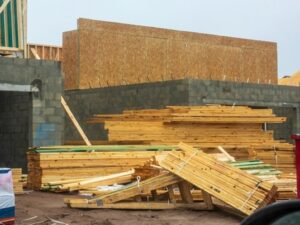
In the realm of commercial construction, the choice of materials can significantly impact the project's success, durability, cost-effectiveness, and environmental footprint. While the aesthetics and design of a building often capture attention, the materials used behind the scenes are the unsung heroes that ensure a structure stands the test of time. Here is why materials matter, where quality is non-negotiable, and when investing in superior materials pays off.
Why Quality Materials Matter
Durability and Longevity - Quality materials ensure the longevity and durability of a structure. High-grade materials resist wear and tear, withstand environmental factors, and reduce the frequency of repairs and replacements. This not only extends the lifespan of the building but also provides long-term cost savings for owners and tenants.
Safety and Compliance - Using high-quality materials is crucial for meeting safety standards and regulatory compliance. Inferior materials can lead to structural failures, posing risks to occupants and resulting in costly legal ramifications. Ensuring that materials meet industry standards and certifications is essential for safeguarding lives and maintaining a good reputation.
Performance and Functionality - Materials of superior quality often offer better performance characteristics, such as enhanced insulation, fire resistance, and acoustic properties. These attributes contribute to the building's overall functionality, comfort, and energy efficiency, providing a better environment for occupants and reducing operational costs.
Aesthetic Appeal - While the structural integrity of a building is paramount, the visual appeal cannot be overlooked. Quality materials often have better finishes, textures, and colors, contributing to a more attractive and professional appearance. This is particularly important in commercial spaces where the building's look can influence client perceptions and business success.
Where Quality Counts
Foundation and Structural Elements - The foundation is the bedrock of any construction project. Using high-quality concrete, steel, and other foundational materials is non-negotiable, as any compromise here can lead to catastrophic failures. Similarly, structural elements such as beams, columns, and load-bearing walls must be built with the best materials to ensure stability and strength.
Building Envelope - The building envelope, which includes the roof, walls, windows, and doors, is critical for protecting the interior from external elements. High-quality materials in the envelope enhance thermal insulation, weather resistance, and energy efficiency. This not only reduces energy consumption but also provides a comfortable indoor environment.
Mechanical, Electrical, and Plumbing (MEP) Systems - MEP systems are the backbone of a building’s functionality. Using superior materials for pipes, wiring, HVAC units, and other components ensures efficient operation, reduces the risk of malfunctions, and prolongs the lifespan of these essential systems. Inadequate materials can lead to frequent breakdowns, higher maintenance costs, and safety hazards.
Interior Finishes - While often considered secondary, interior finishes like flooring, paint, and fixtures play a significant role in the building’s usability and appearance. Quality materials here contribute to a professional look, durability under heavy use, and ease of maintenance, which is particularly important in high-traffic commercial spaces.
When to Invest in Quality Materials
During Initial Construction - Investing in quality materials during the initial construction phase is crucial. While it might seem more costly upfront, it saves money in the long run by reducing maintenance, repairs, and replacements. Quality materials also ensure the building meets or exceeds safety and performance standards from the outset.
Renovations and Upgrades - When renovating or upgrading a commercial property, opting for superior materials can significantly enhance the building’s value, efficiency, and lifespan. This is especially true for older buildings where modern, high-quality materials can address outdated construction practices and improve overall performance.
Critical Components and High-Use Areas - Certain components and areas of a building, such as the roof, façade, and common areas, are subject to more wear and tear. Investing in quality materials in these areas ensures they can withstand frequent use and harsh conditions, preventing costly repairs and downtime.
In commercial construction, the adage "you get what you pay for" holds true when it comes to materials. Prioritizing quality not only guarantees a safer, more durable, and aesthetically pleasing building but also provides long-term economic and functional benefits. By understanding why, where, and when to invest in superior materials, stakeholders can ensure their projects stand the test of time, delivering value to owners, occupants, and the broader community.
With nearly 100 years in business, Peter Schwabe, Inc. has experience advising clients from the onset of a project. We have developed strong relationships with subcontractors and material suppliers across the country. Let us put our expansive background to work for you. Contact Michael Gilbert, Director of Business Development, mgilbert@pschwabe.com/262.825.1151, for more information. Let’s get started!